Water Bug Bass Bait
Overview
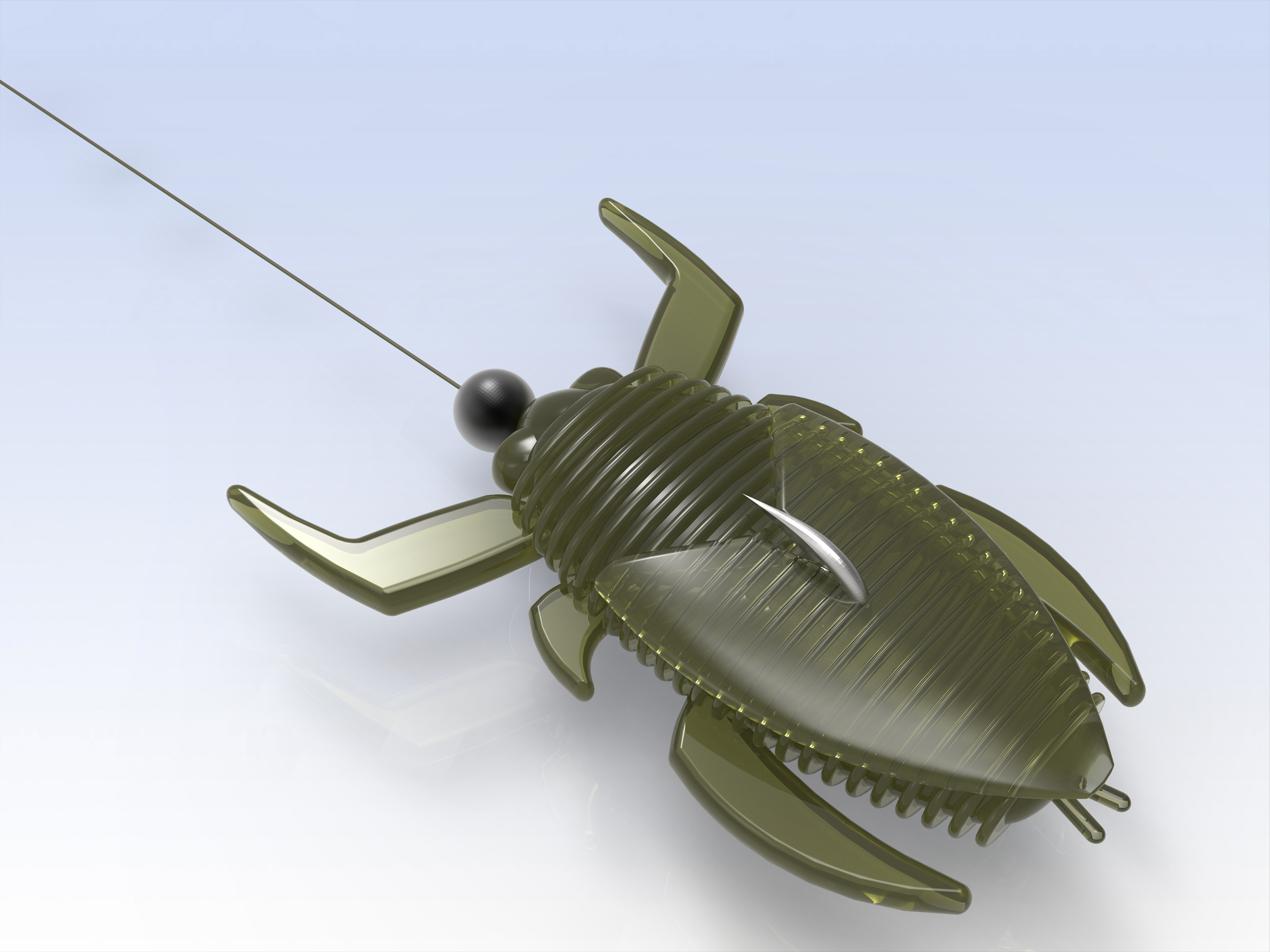
The goal of this project was to develop a new soft plastic bass bait inspired by the North American Giant Water Bug, an insect rarely represented within commercial fishing lures.
Rather than replicating the insect literally, I designed a lure that balanced biological inspiration with proven bass fishing characteristics. Every feature was developed to improve underwater movement, manufacturability, and hook presentation while maintaining a recognizable water bug silhouette.
Design Objectives
• Introduce a unique forage profile not commonly available in commercial bass baits
• Maximize underwater movement through passive appendage action
• Design specifically for Texas-rig presentations
• Incorporate injection molding constraints from the beginning of development
• Produce functional prototypes for real-world fishing evaluation
Biomimetic Form Development
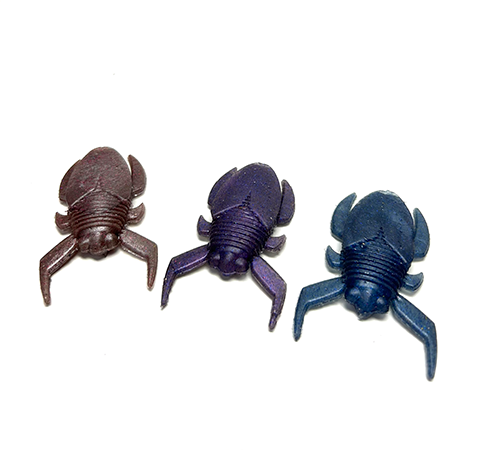
The overall geometry was inspired by the North American Giant Water Bug while intentionally exaggerating key proportions to improve underwater visibility and fish attraction.
Rather than producing a scientifically accurate replica, the design blends recognizable biological characteristics with the proportions and movement expected from a modern soft plastic lure.
Real-World Validation
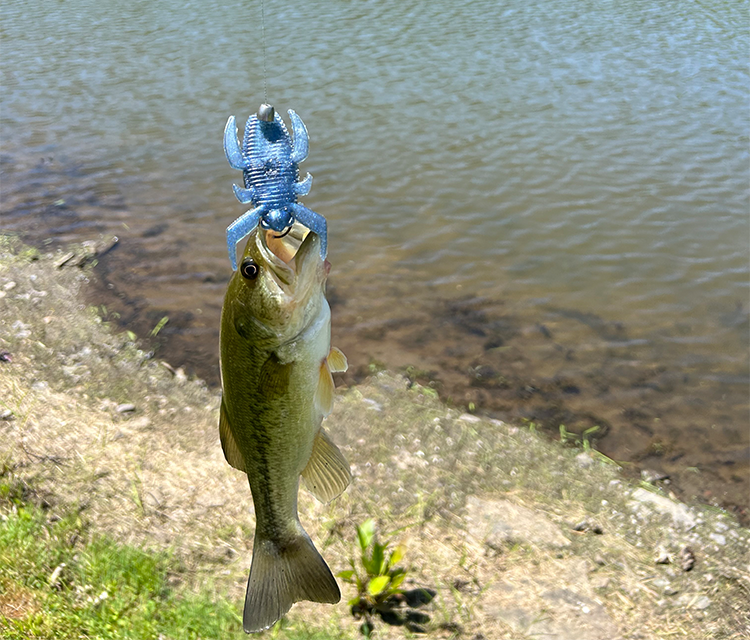
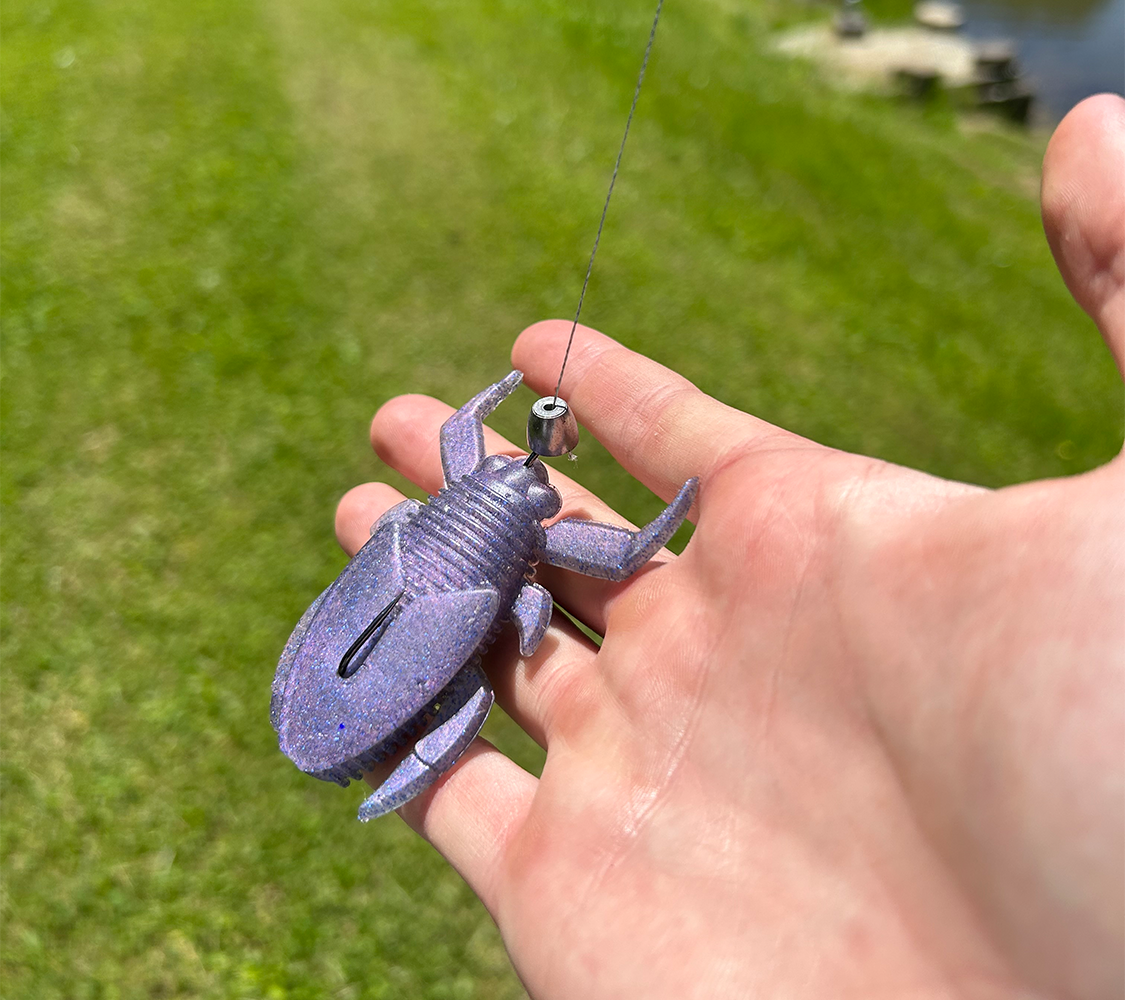
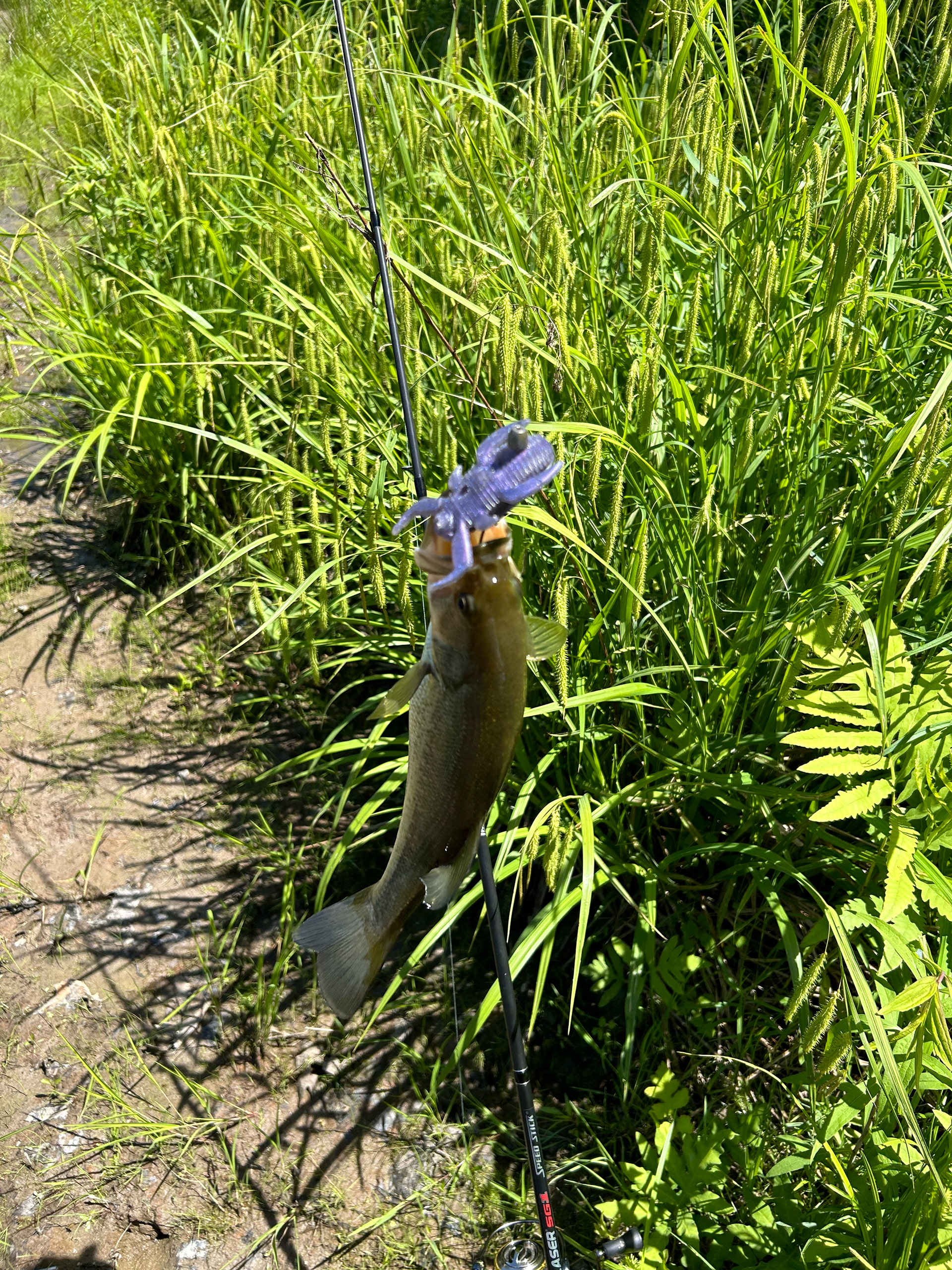
Rather than ending with CAD development, the design was evaluated through on-the-water testing.
Field testing confirmed:
• Stable Texas-rig presentation
• Consistent appendage movement
• Reliable hook exposure
• Successful bass catches using production prototypes
Testing provided valuable feedback for validating both the bait's performance and overall design intent.
Functional Design Features
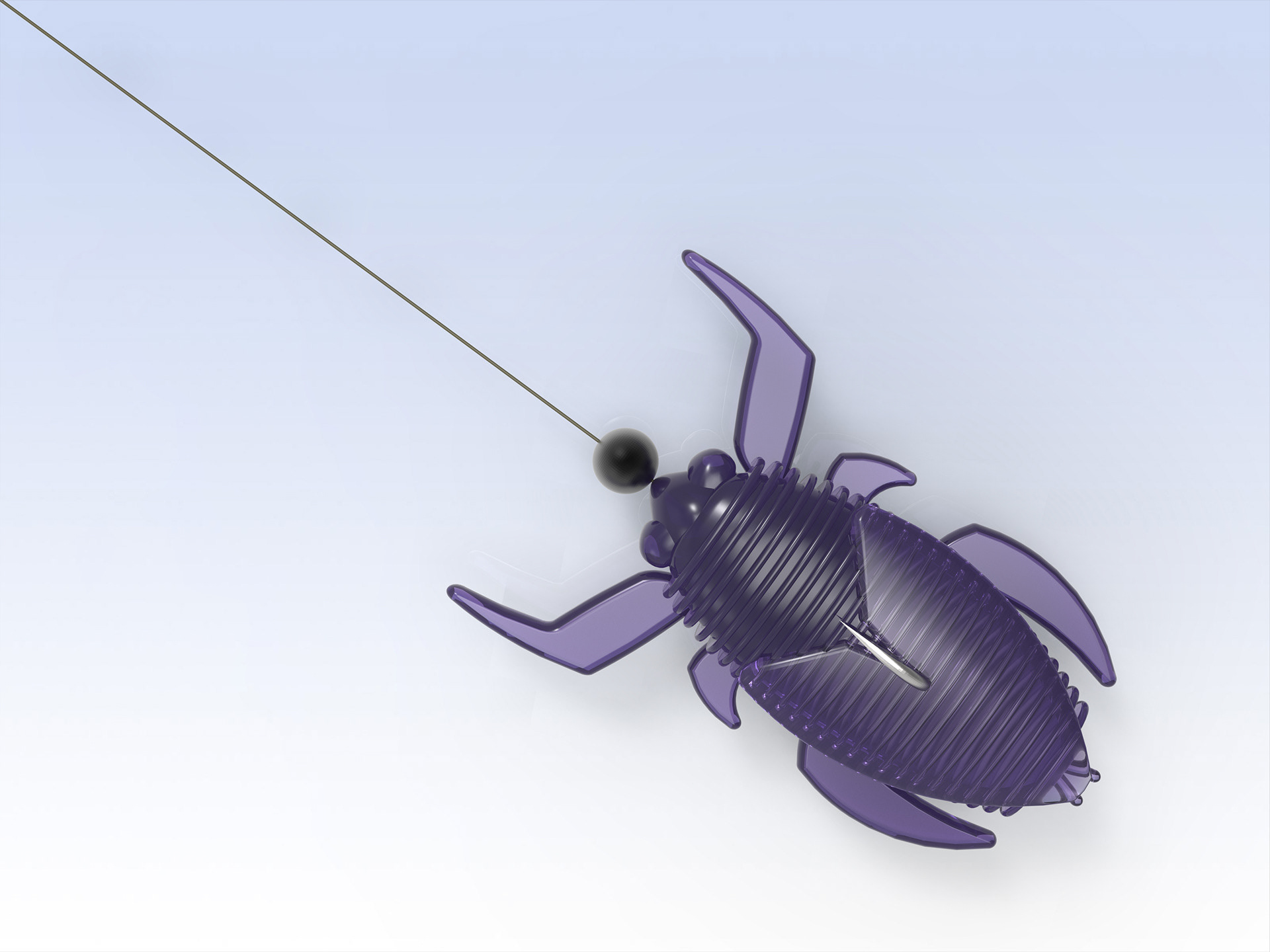
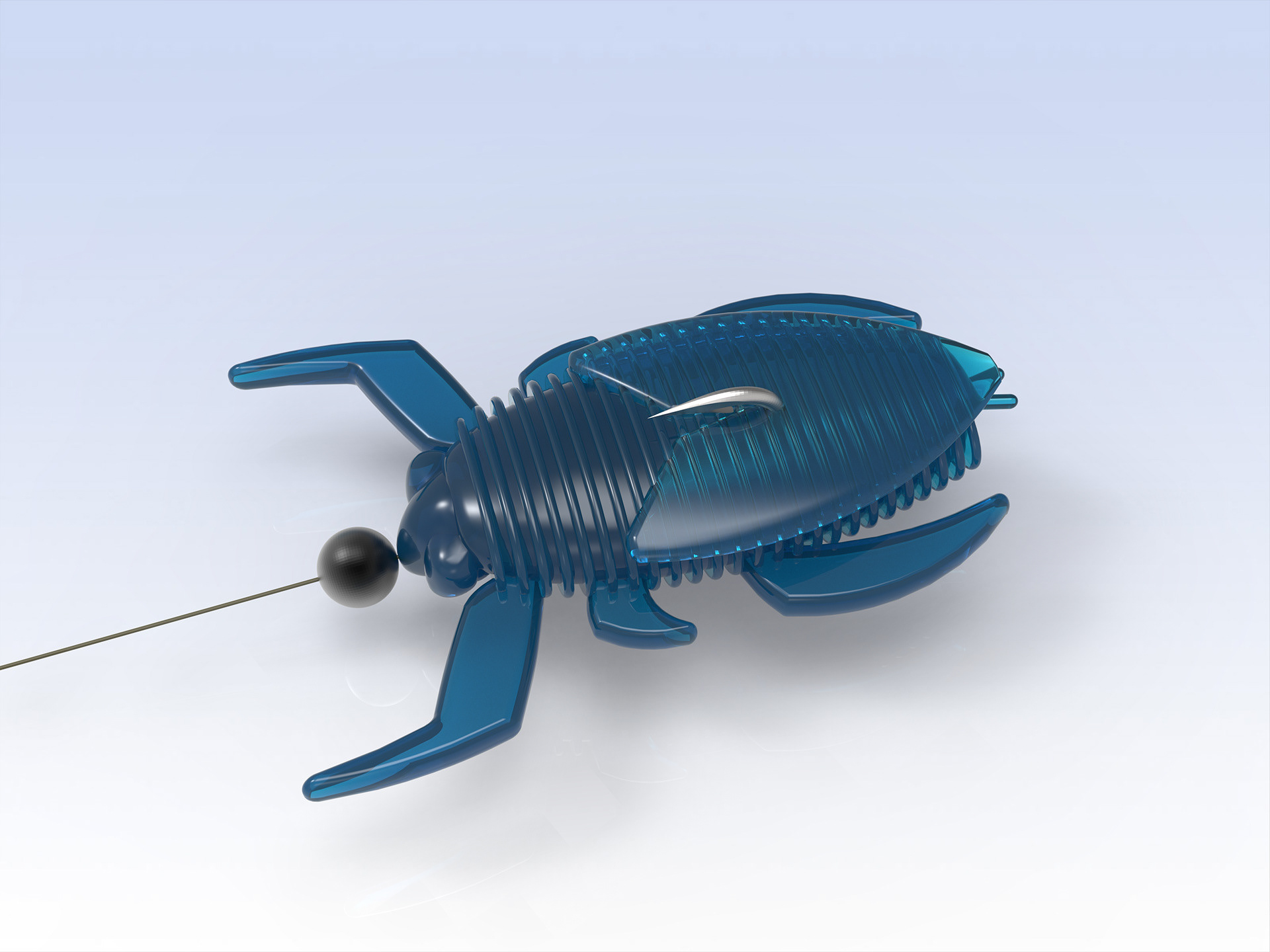
Several design elements were incorporated to improve both fishing performance and manufacturability.
• Integrated hook pocket for weedless Texas rigging
• Split wing geometry that naturally conceals the hook while creating a distinctive visual profile
• Ribbed body to increase flexibility and water displacement
• Thickened appendage sections to generate additional momentum during retrieval
• Leg orientation optimized to maximize passive movement and vibration through the water column
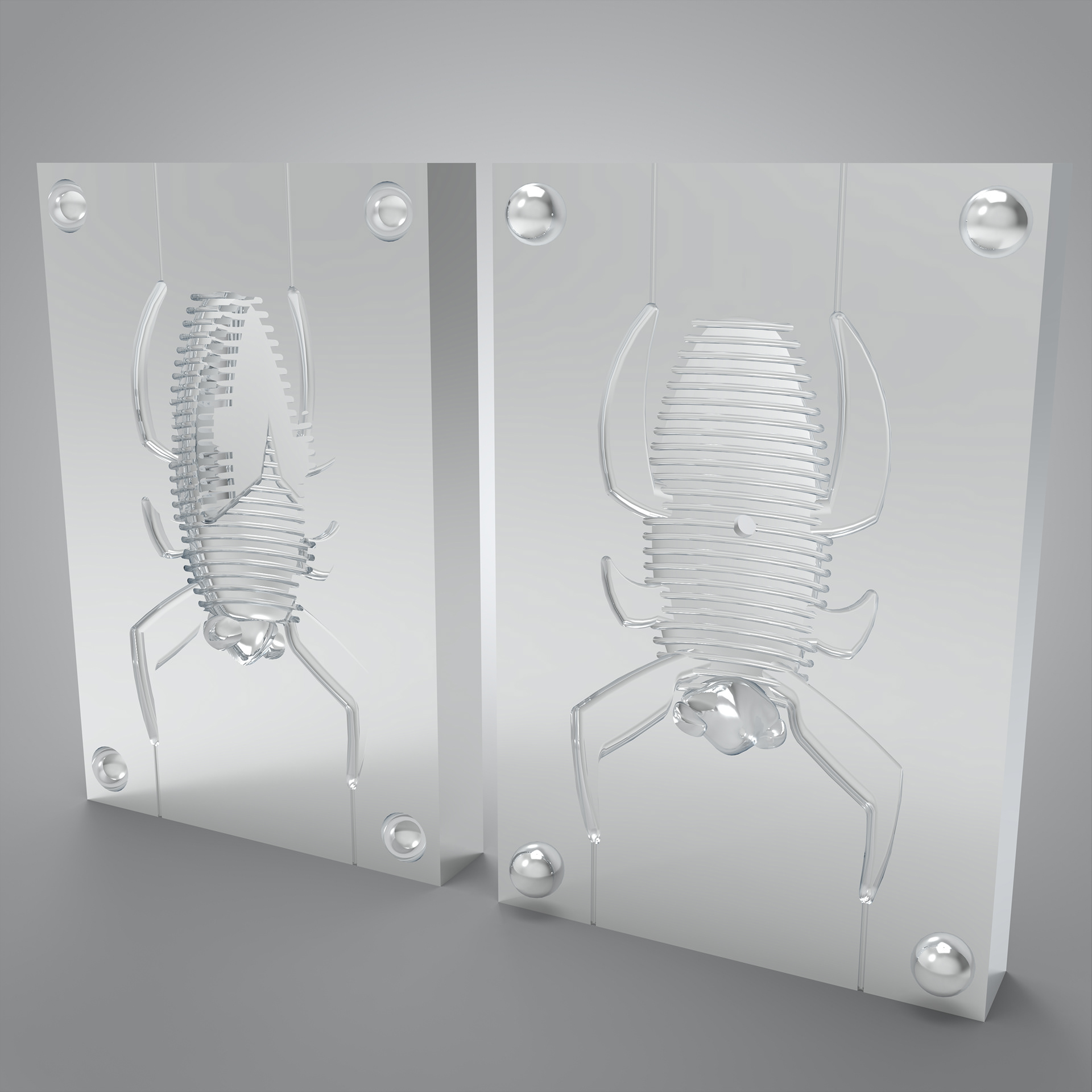
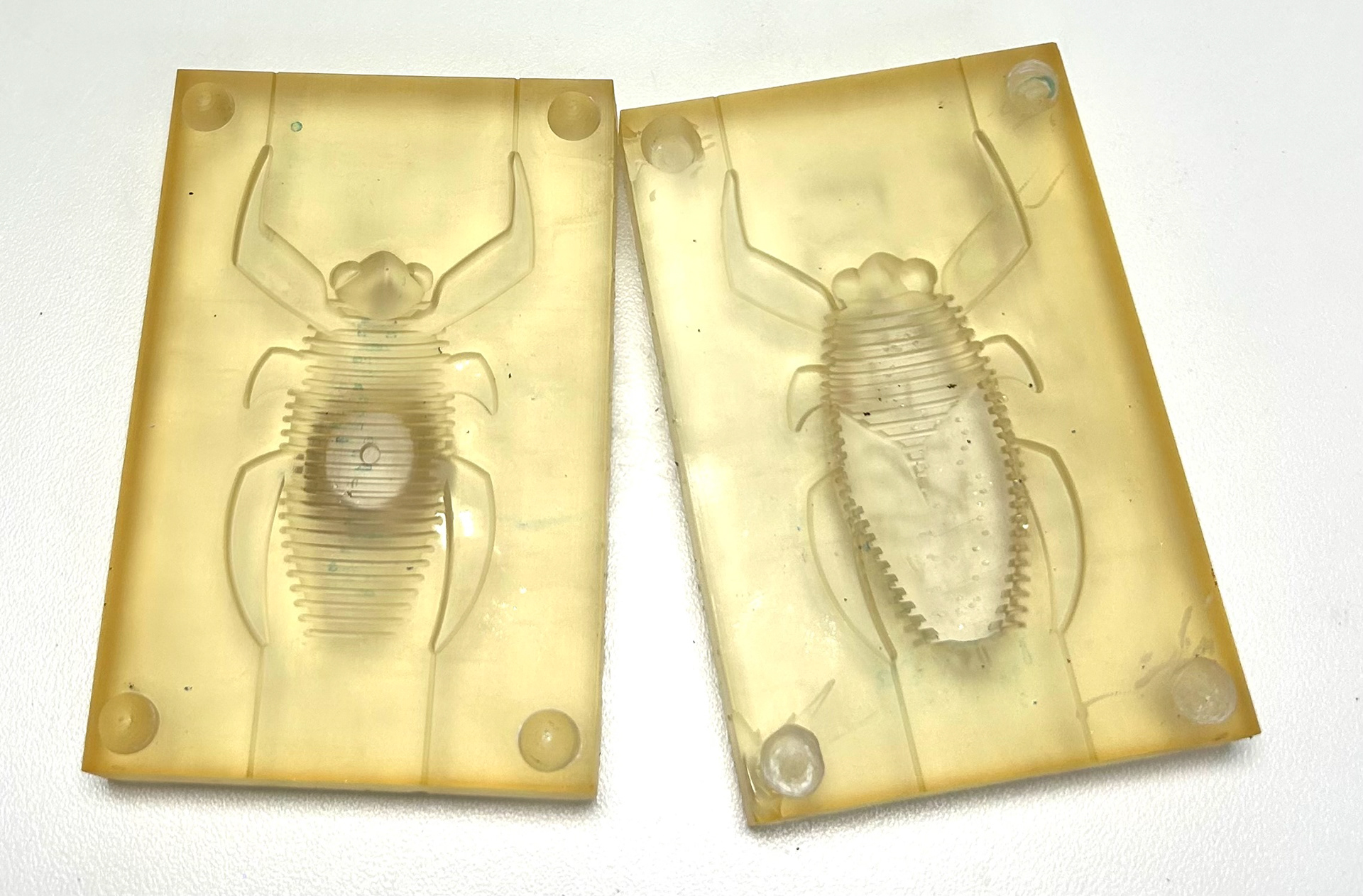
Design for Manufacturing
The bait was designed alongside its manufacturing process rather than after the geometry was completed.
This project introduced me to injection molding fundamentals, including mold design, vent placement, draft considerations, and prototype tooling.
Using high-temperature resin, I produced prototype molds that allowed multiple casting iterations before transitioning toward production-ready tooling concepts.
Prototype Tooling
Prototype molds were produced using high-temperature resin to evaluate manufacturability before aluminum tooling.
Development included:
• Parting line strategy
• Vent placement
• Material flow
• Mold alignment
• Resin casting
• Injection molding workflow
This process provided practical experience designing products around manufacturing constraints instead of adapting them afterward.
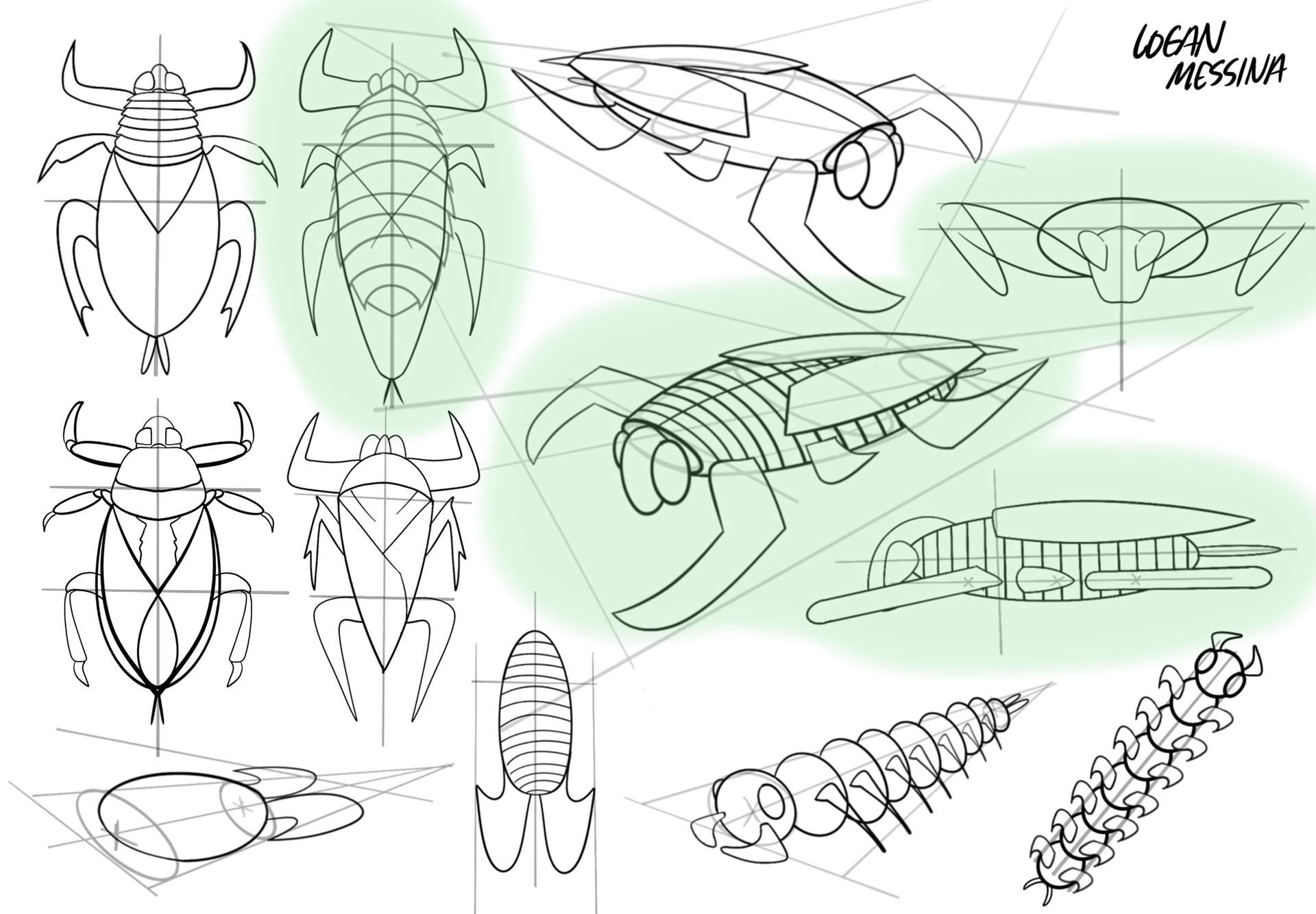
Concept Ideation
The project began with rapid concept sketching to explore unheard-of soft plastic bait forms. This then transformed into how the North American Giant Water Bug could be made into a practical soft plastic lure. Designs focused on creating a distinctive forage profile while considering hook concealment, swimming action, manufacturability, and overall visual appeal.