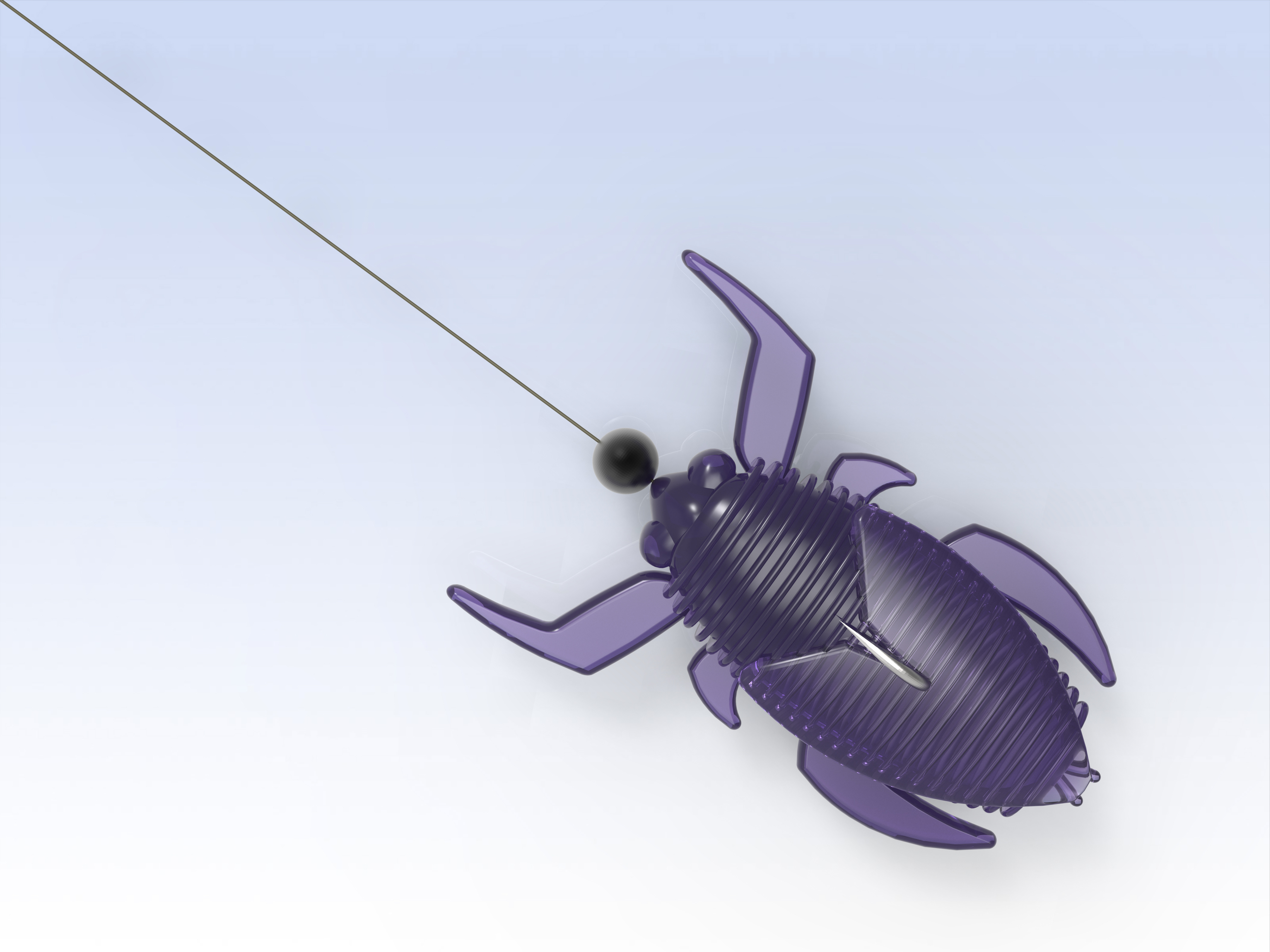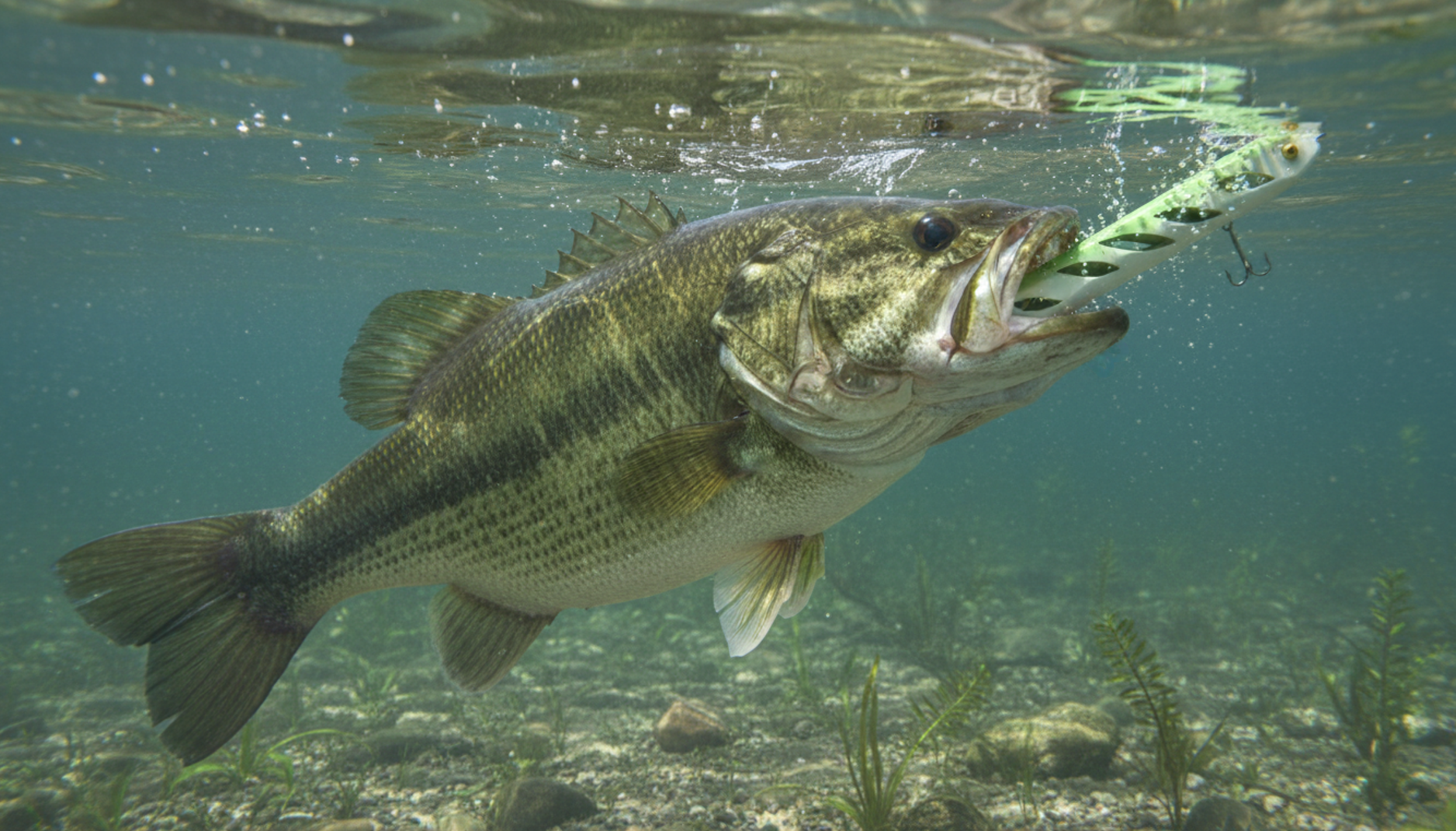
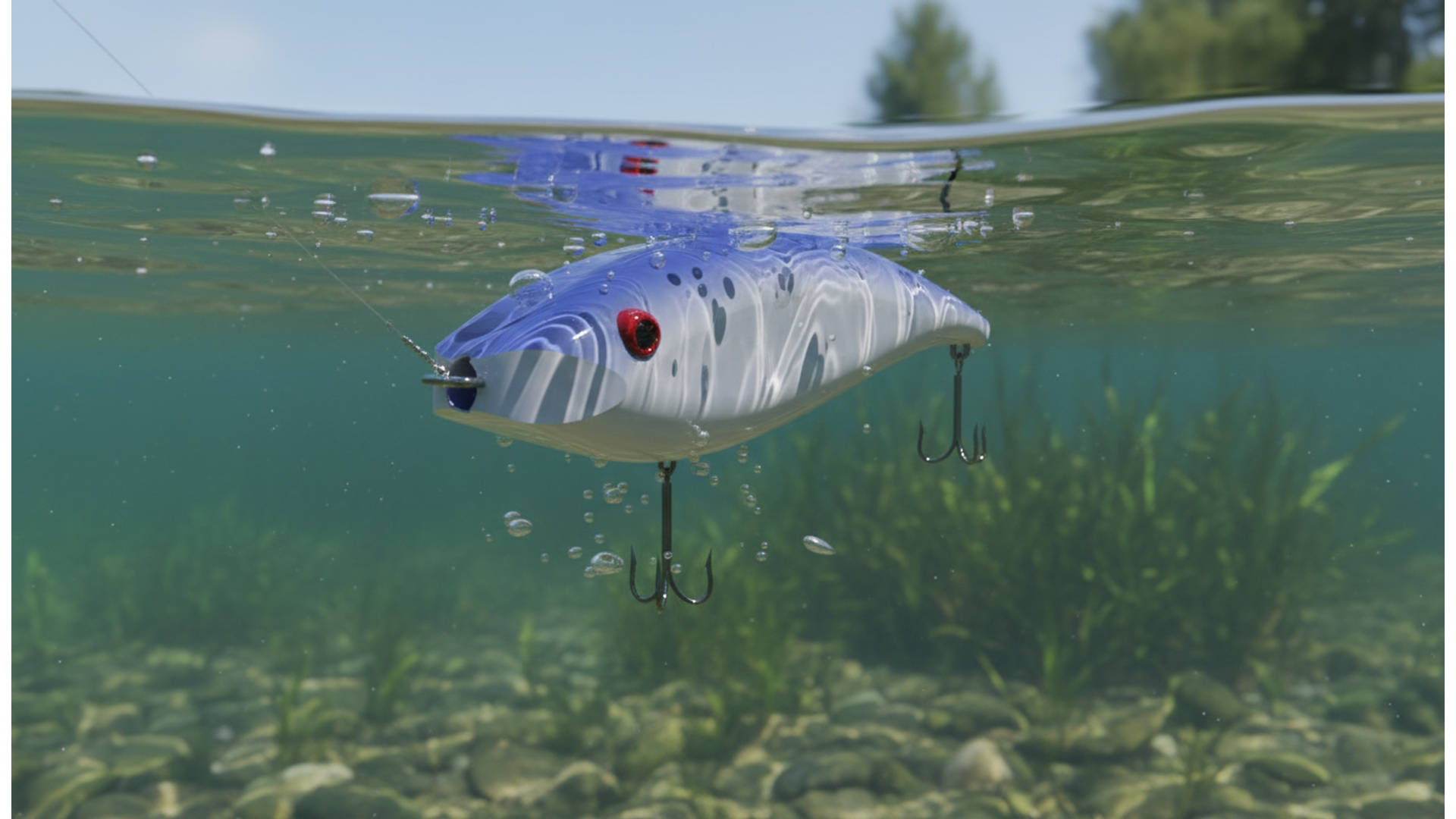
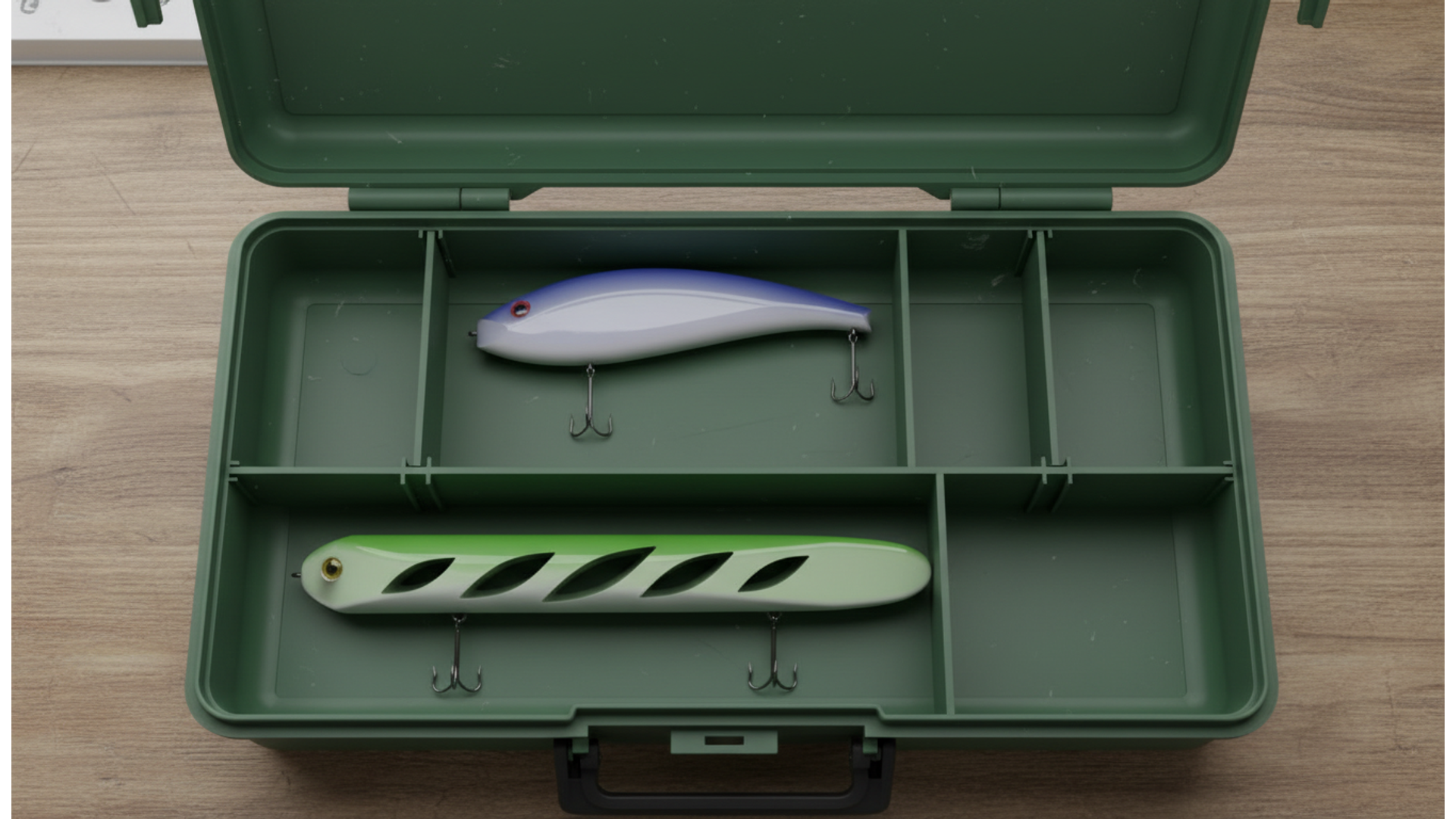
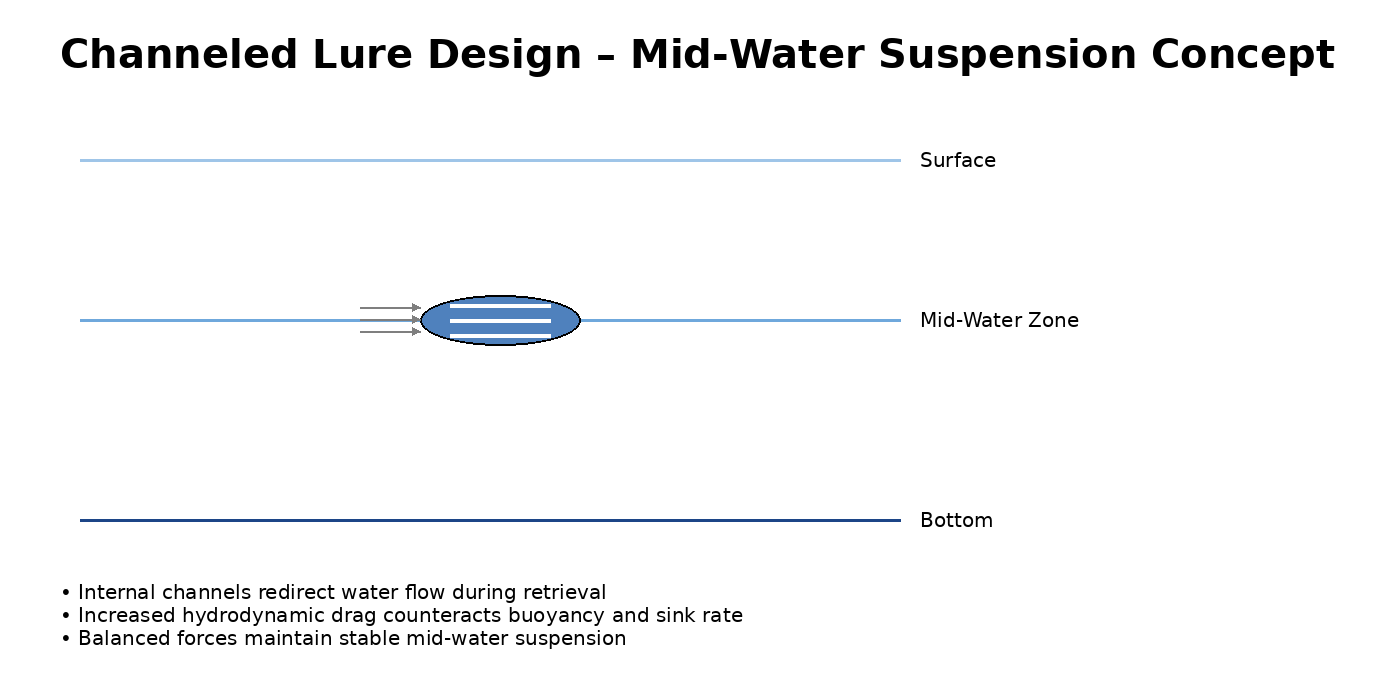
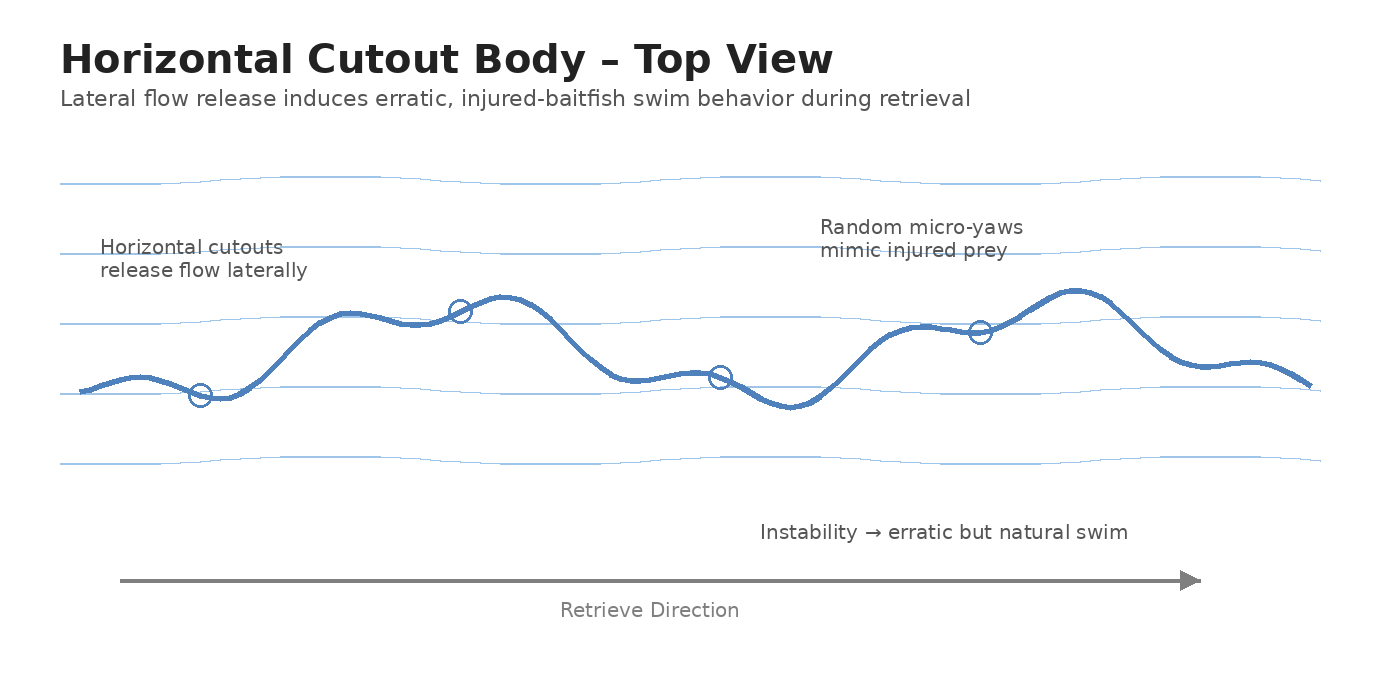
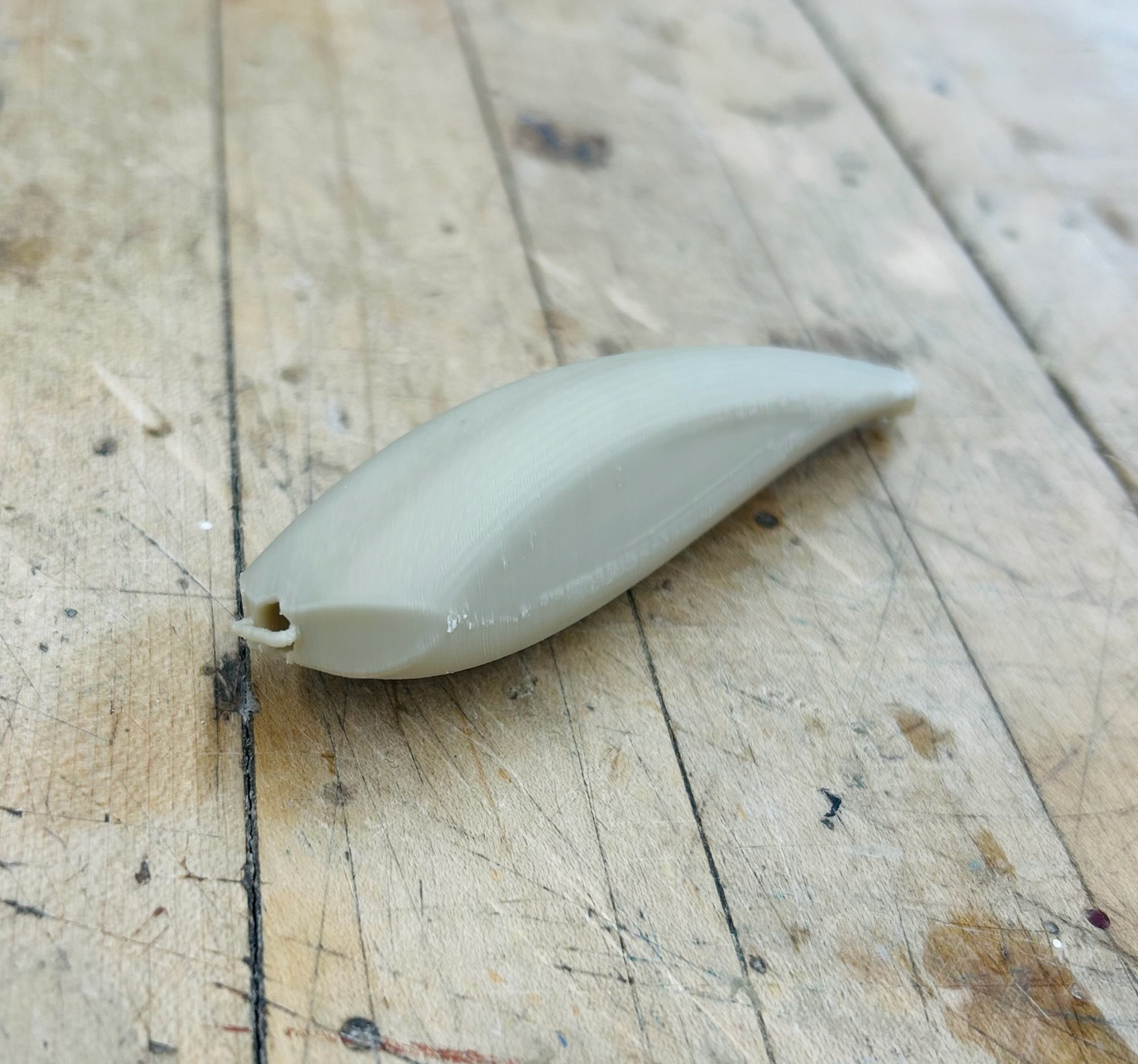
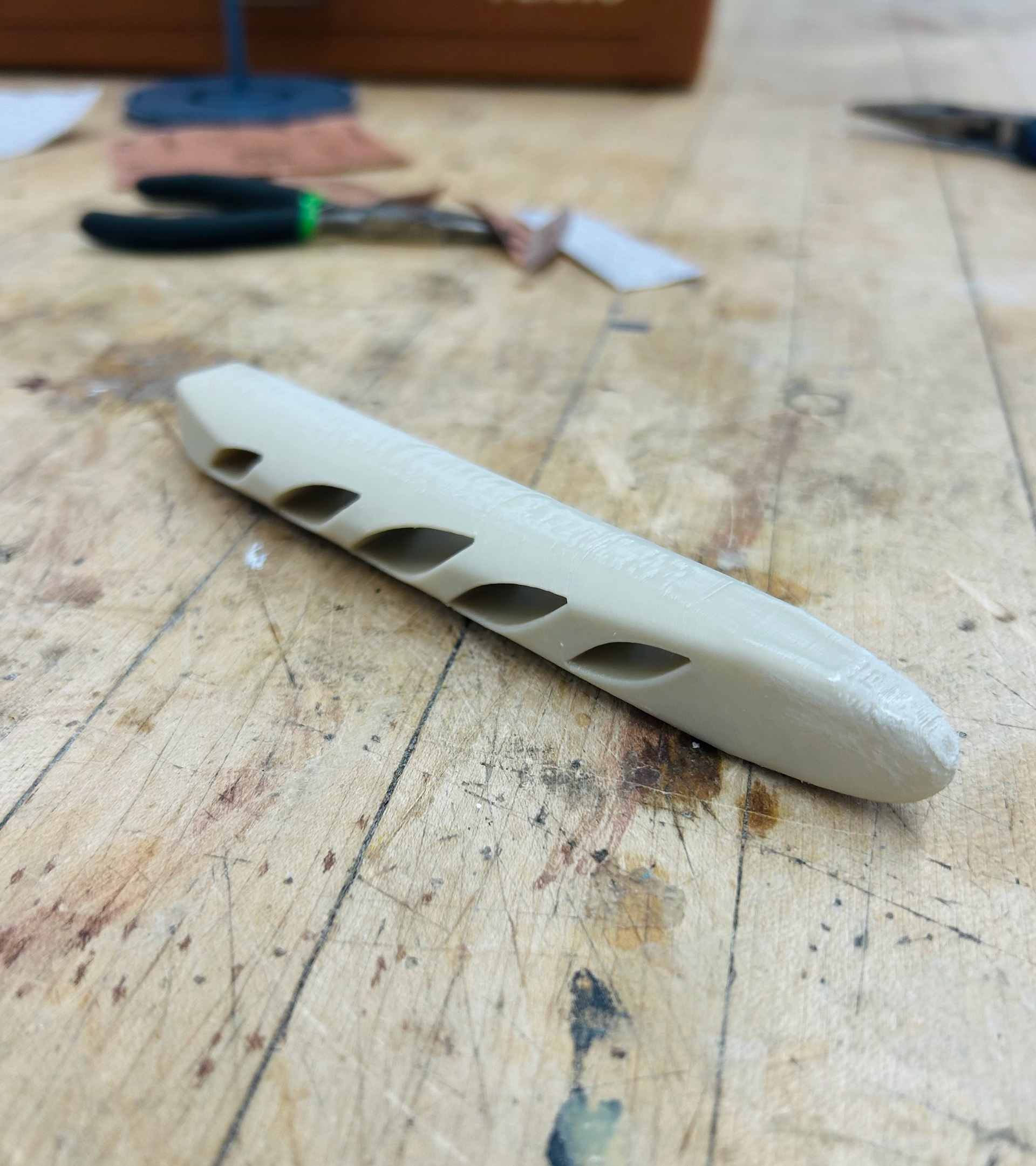
Shown below are the final physical prototypes, accompanied by diagrams illustrating the resulting lure action generated by the applied cut-through geometries.
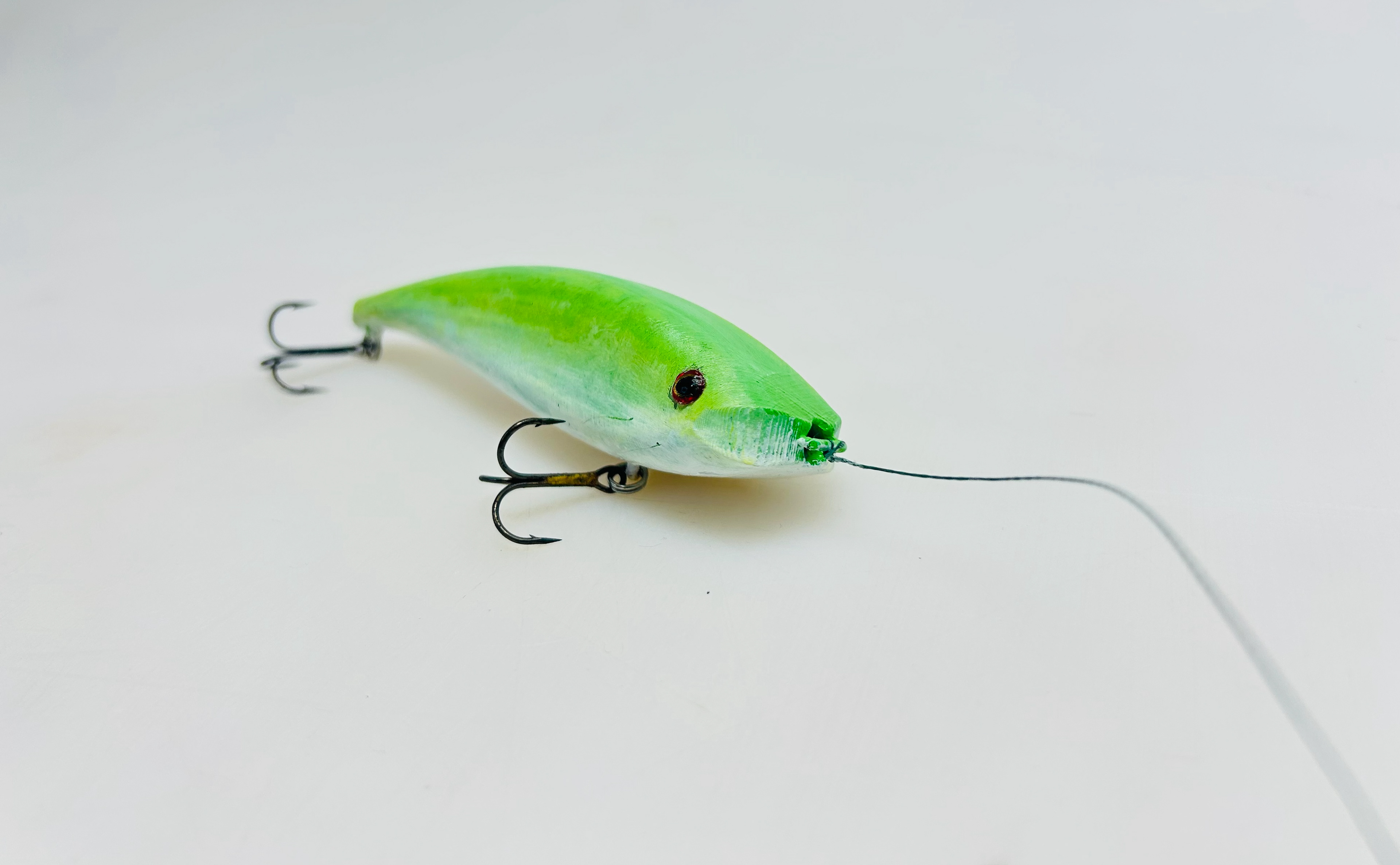
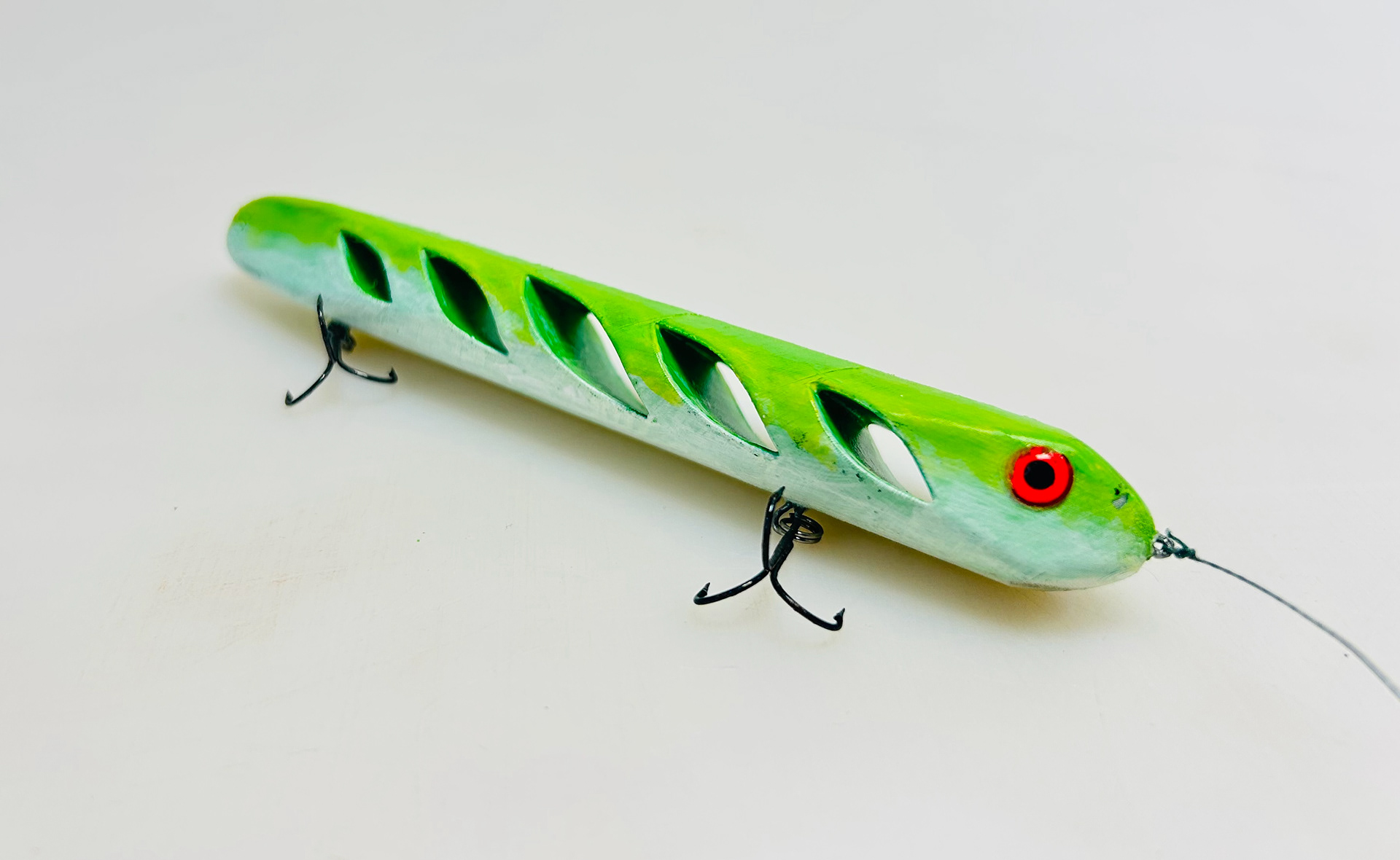
PHA bioplastic lure bases shown immediately after 3D printing and before CMF application.
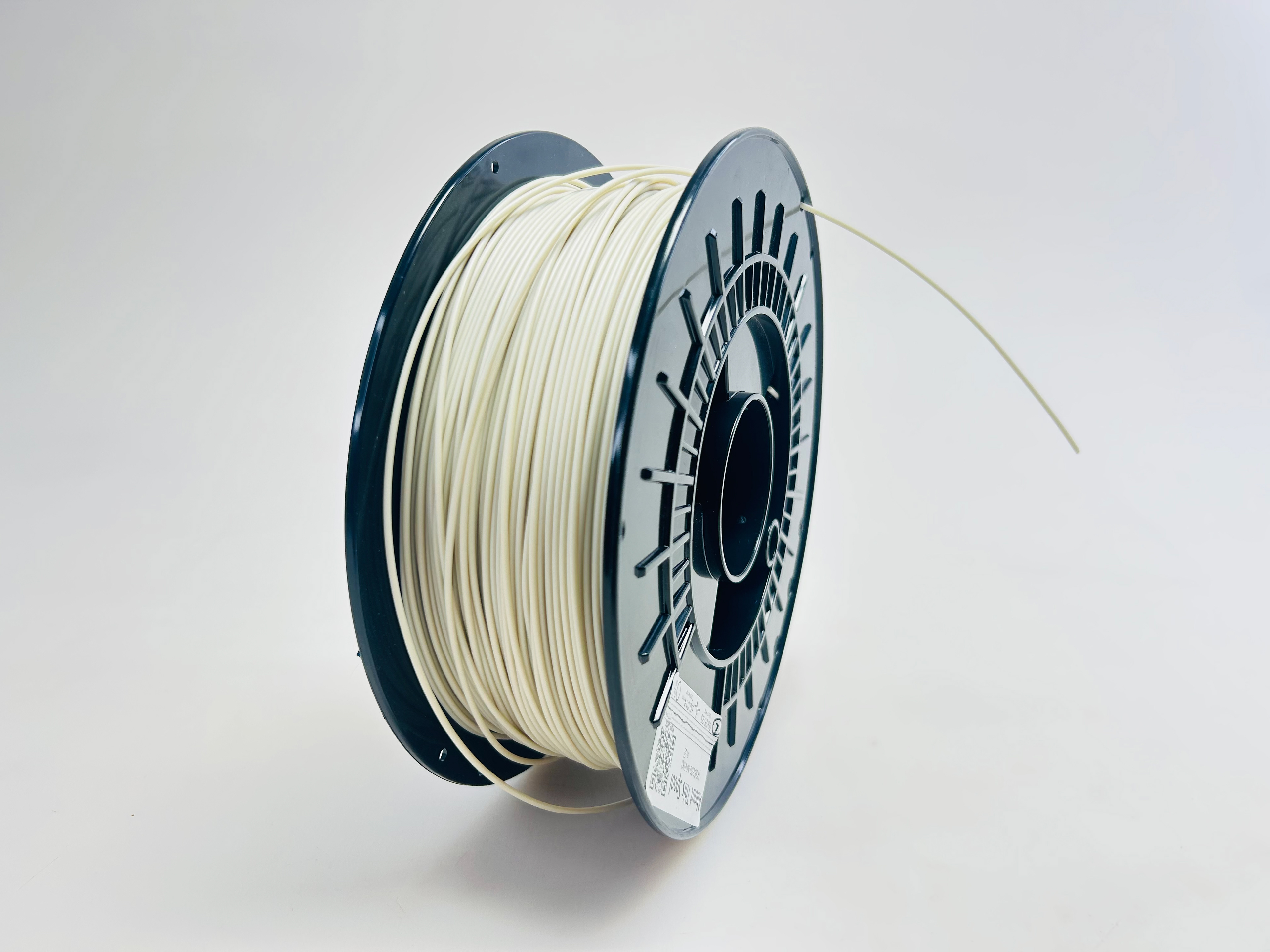
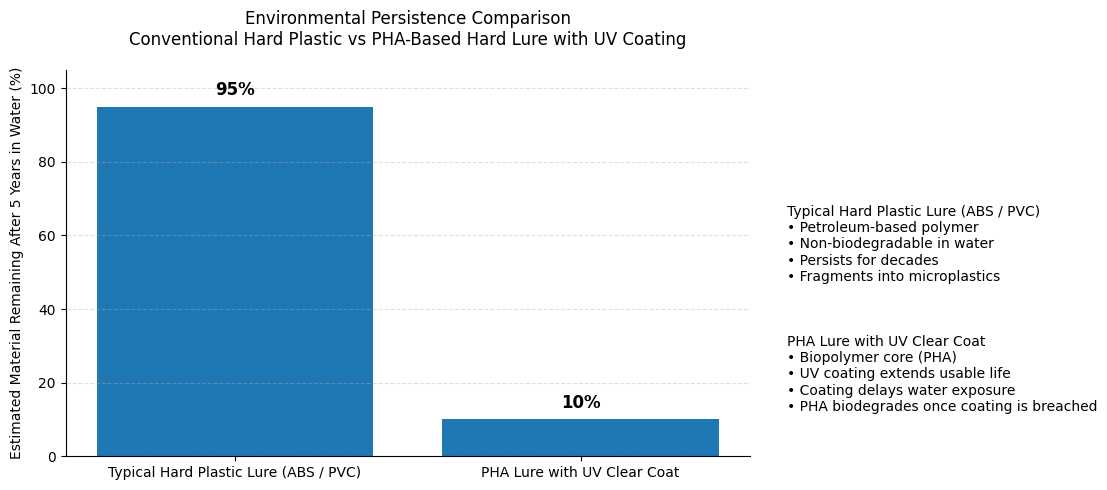
Below is the PHA biodegradable plastic spool, accompanied by a comparative graph illustrating performance differences between traditional hard-plastic fishing lures and the PHA/UV biodegradable design.
The application of a UV-cured resin over the painted PHA bioplastic substrate was used to balance durability during normal fishing use with controlled environmental degradation after prolonged exposure. During active use, the UV-cured coating provides abrasion resistance and structural stability comparable to traditional hard-plastic lures. When a lure is lost or remains in water for very extended periods, prolonged ultraviolet exposure and environmental stress can induce micro-cracking within the cured resin layer. These micro-fractures allow water ingress to the underlying PHA material, initiating its natural biodegradation process in aquatic environments.
“PHAs are known to biodegrade in aquatic environments through the action of PHA-degrading microorganisms once water and microbial enzymes gain access to the polymer surface (Paloyan et al., 2025; Volova & Boyandin, 2015).”
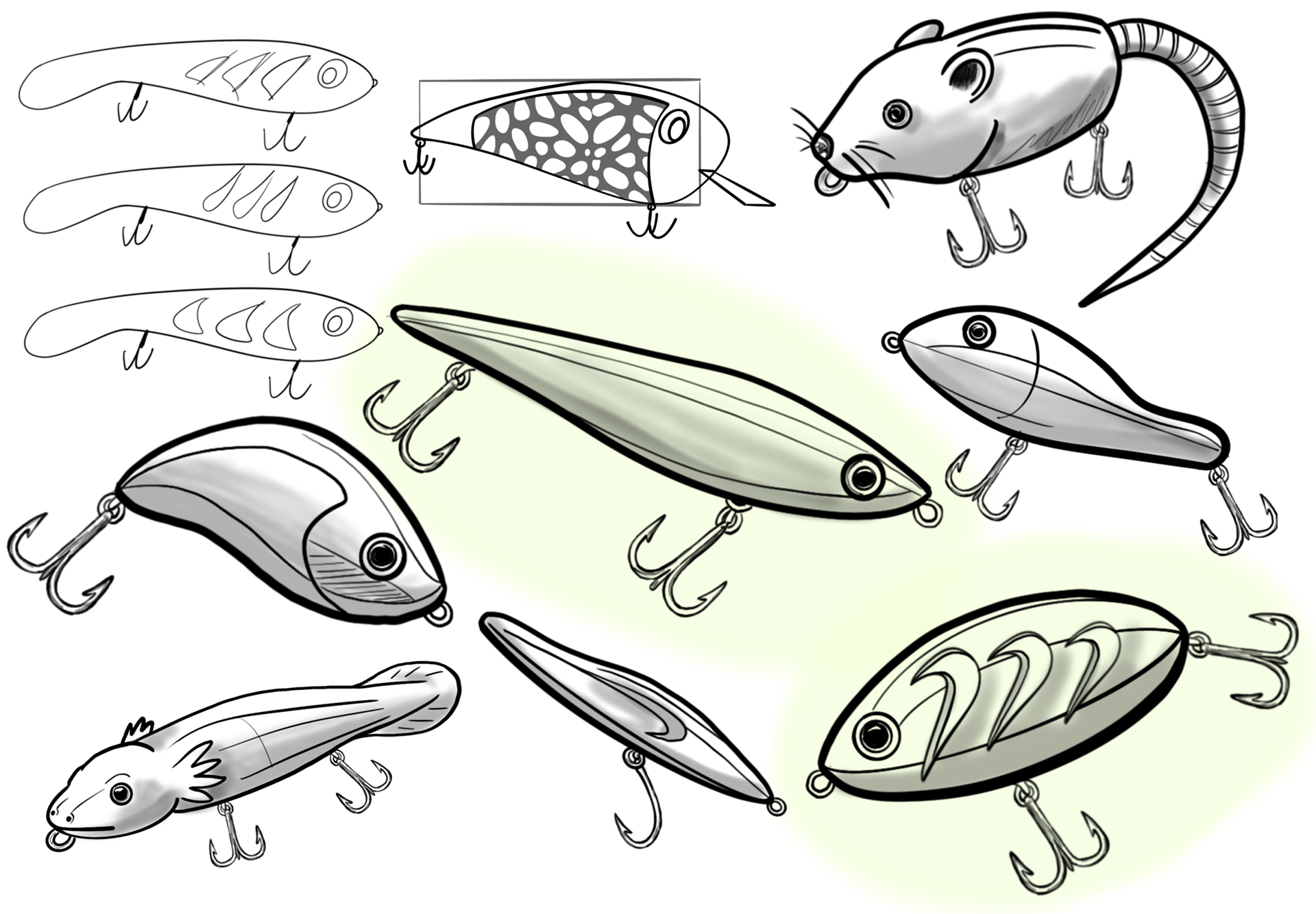
Shown below are the design drawings that informed the final bait design. The green-highlighted sketches represent convergent iterations that directly contributed to the finalized form, while the remaining drawings illustrate divergent explorations of alternative form directions that were evaluated but not pursued.